Embarking on a career in modeling is an exhilarating journey, but your first portfolio—often called your \"book\"—is your most critical tool. It is your visual resume and the primary way agencies and brands decide if you are the right fit for their project. Unfortunately, many aspiring models fall into common traps that can make them look unprofessional or inexperienced.
At our studio, we’ve seen how transformative a well-curated portfolio can be. By avoiding these five common mistakes, you can ensure your modeling portfolio showcases your versatility and professional potential from day one.
1. Over-Editing and Excessive Retouching
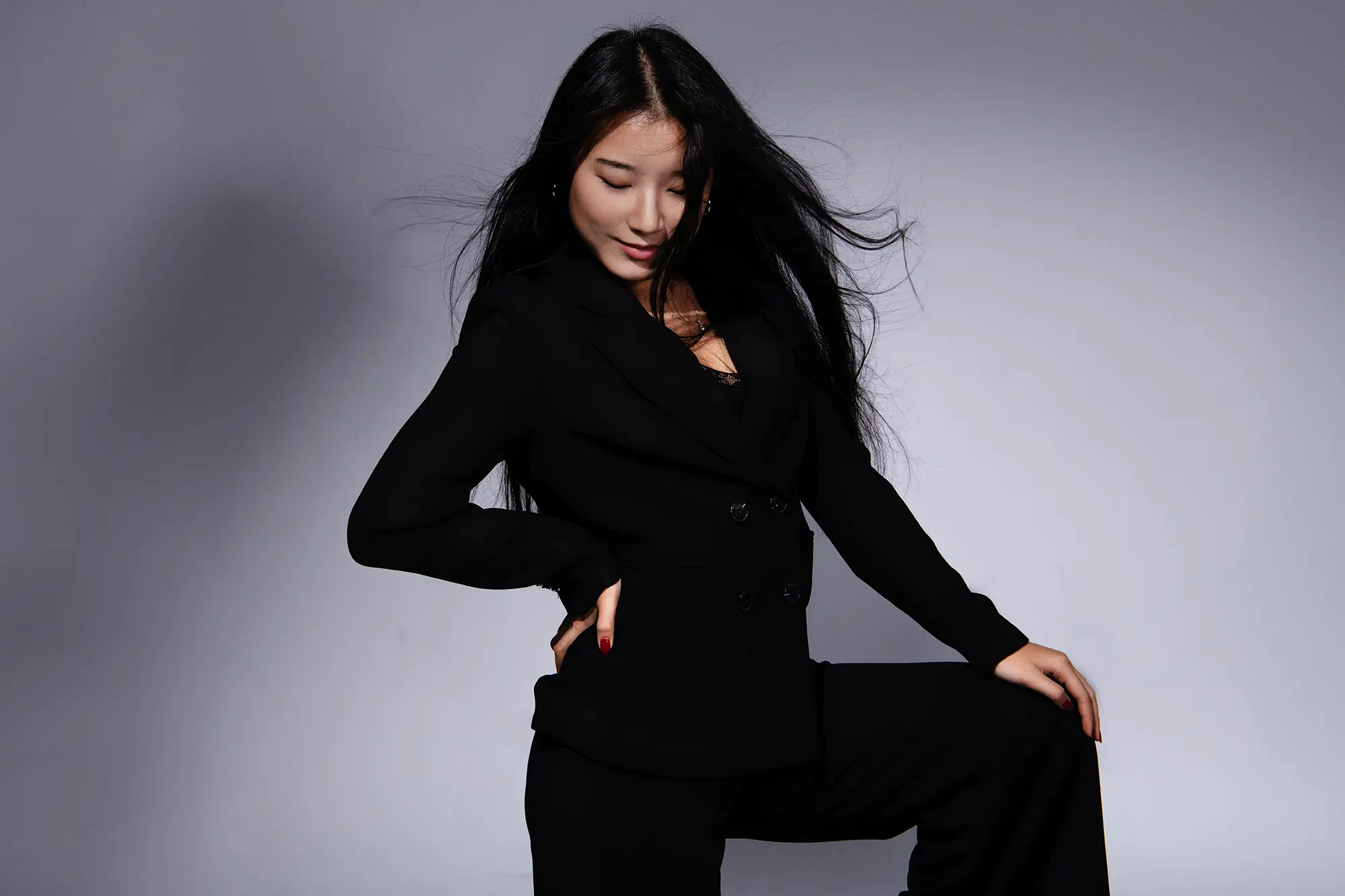
One of the biggest mistakes in a first portfolio is heavy retouching. Agencies want to see you—the real you. If your skin texture is completely blurred or your facial features are altered, an agent won't know what you actually look like when you walk through the door. Professional portraits should be polished but authentic.
How to Fix It:
Focus on clean, high-quality images that highlight your natural features. Subtle skin cleanup is fine, but keep the character of your face intact. Think of your portfolio as a bridge to a real-life meeting.
2. Choosing the Wrong Outfits
It’s tempting to wear your trendiest, most avant-garde pieces, but overly busy clothing can distract from your face and physique. In your first portfolio, the clothes should complement you, not compete with you for attention.
Avoid: Large logos, neon colors that cast hues on your skin, or ill-fitting clothes.
Choose: Simple, form-fitting basics like a white t-shirt, quality denim, or a classic blazer.
3. Lack of Variety in Posing and Expression
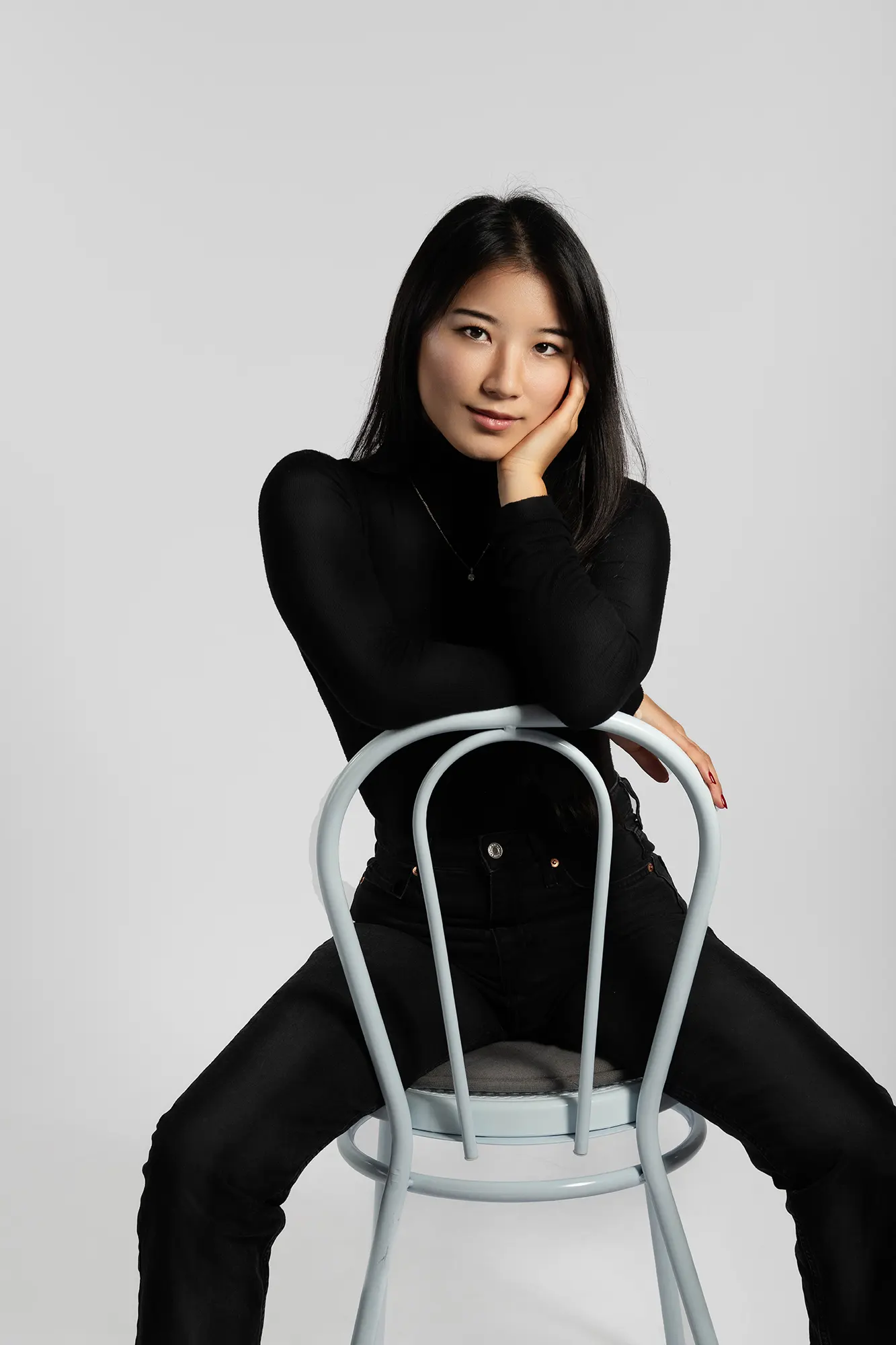
A portfolio that consists of ten shots with the same \"fierce\" expression isn't showing your range. Agencies need to see that you can handle different moods—from commercially friendly to high-fashion editorial.
How to Fix It: Practice different expressions in the mirror. Include a mix of full-body shots, waist-up shots, and tight beauty headshots. Ensure you have at least one shot showing a genuine smile and another with a more serious, neutral expression.
4. Including Poor Quality "Snapshots"
In the age of high-end smartphones, it’s easy to think a selfie or a photo from a night out is \"good enough.\" However, grainy, poorly lit, or cluttered backgrounds scream amateur. A professional portfolio requires professional lighting and composition.
\"Your portfolio is an investment in your career. High-quality imagery shows you take the industry seriously.\"
5. Using Old or Outdated Photos
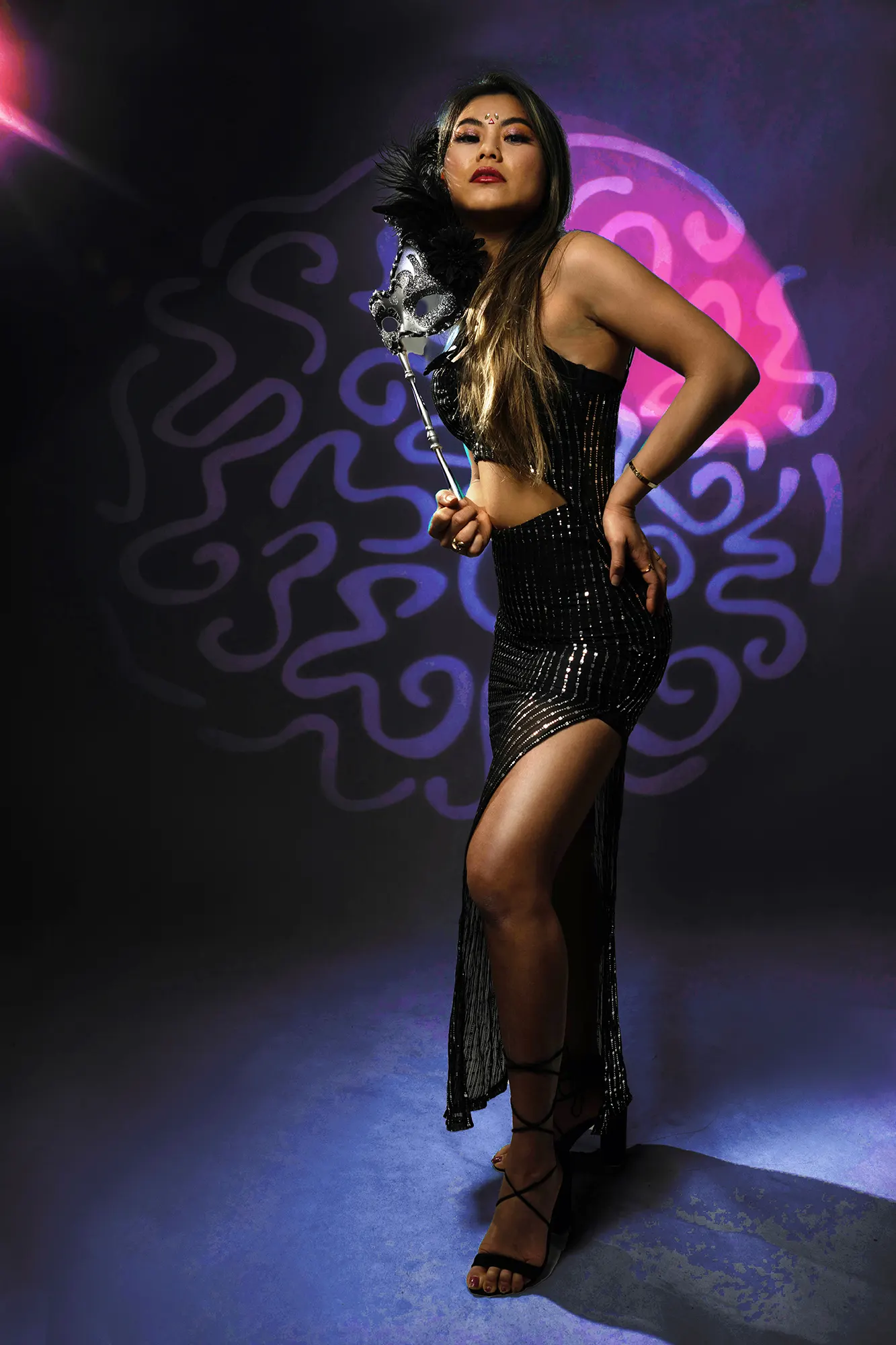
If you have recently changed your hair color, cut it short, or gained/lost significant weight, your portfolio must reflect that change. Showing up to a casting looking different than your photos is a quick way to lose trust with a casting director.
How to Fix It:
Keep your book fresh. While you don't need a full new shoot every month, you should take updated \"digitals\" (simple, unedited shots) regularly to show your current look.
Final Thoughts
Building a modeling portfolio is a marathon, not a sprint. Start with 6 to 10 exceptionally strong images rather than 20 mediocre ones. By focusing on authenticity, variety, and professional quality, you’ll present yourself as a prepared and versatile talent ready for the industry.